

Chinese Juniper Bonsai Trees for sale from All Things Bonsai
The Chinese Juniper is one of the most reliable and visually striking outdoor bonsai species. Native to China, Japan, Korea and wider East Asia, it forms a small tree or large shrub in the wild and is valued for its evergreen foliage, rugged bark and suitability for traditional bonsai styling. Mature foliage is scale‑like, while juvenile growth appears needle‑like, a natural response to heavy pruning or strong regrowth.
As bonsai, they are grown in all sizes, from tiny mame trees to large exhibition specimens. Popular cultivated forms include Kyushu and Itoigawa. Junipers are often styled with jins and sharis, creating dramatic deadwood features, and they suit a wide range of bonsai styles including informal upright, slanting, semi‑cascade, full cascade, twin trunk, raft and group plantings.
Location & Positioning
Chinese Junipers are outdoor bonsai only. They thrive in full sun, which keeps growth compact and foliage vibrant. In very strong summer sun, light shade can help prevent yellowing. The species is fully frost hardy, and cold weather is beneficial, though smaller trees may need protection during prolonged severe freezes. Avoid overwintering in sheds or dark storage areas; junipers still require light even in winter. A frost‑free porch, greenhouse or conservatory is suitable, provided temperatures remain cool. In summer, avoid keeping junipers in greenhouses, as excessive heat can cause stress and yellow patches.
Watering
Water daily in hot weather and keep the soil evenly moist at other times. Rainwater is ideal in hard‑water areas because junipers prefer slightly acidic conditions. Watering the foliage as well as the soil is good practice and helps reduce pest issues, especially spider mites.
Pruning & Styling
Maintenance pruning is carried out by pinching the soft scale foliage between thumb and forefinger, supporting the branch with your other hand. This should be done every couple of months from spring to autumn. Avoid removing more than the tips, as over‑pinching encourages juvenile needle growth. Junipers can be wired at any time of year. Wiring often remains in place for many months, sometimes up to a year, so check regularly to ensure wires are not biting into the bark.
Feeding
Feed from spring to autumn with a balanced slow‑release fertiliser. Junipers do not require strong fertilisers; steady, moderate feeding encourages healthy, compact growth.
Pests & Diseases
Junipers are generally resilient but can suffer from woolly aphids, black aphids, spider mites and fungal issues. Woolly aphids appear as white, fluffy insects, while spider mites are almost invisible and identified by fine webbing. Good foliage watering helps keep mites in check, and neem oil is effective for control. Fungal infections show as brown tips on new growth; avoid overwatering and consider preventative spraying with systemic fungicides such as Roseclear Ultra or Fungus Clear Ultra.
Repotting
Chinese Junipers tolerate dense root masses and do not require frequent repotting. Slightly pot‑bound conditions help maintain tight growth. Younger trees should be repotted every three to five years, while mature specimens are repotted only when necessary. Remove around 30% of the root mass during repotting. Early to mid‑spring is ideal, avoiding freezing winter conditions and hot summer weather. Use a free‑draining mix such as Kiryuzuna, Kyodama, pumice and grit. Full bare‑rooting is not recommended, as some growers report damage when attempting it.

Chinese Juniper Bonsai Trees
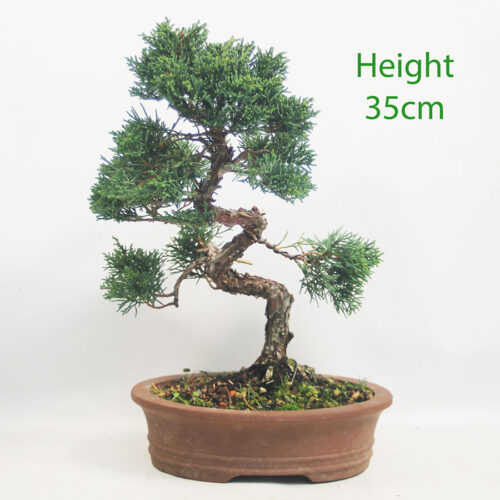
Itoigawa Chinese Juniper Bonsai Tree Part Trained Number 224p
Chinese Juniper Bonsai Trees
Chinese Juniper Bonsai Trees
Chinese Juniper Bonsai Trees
Chinese Juniper Bonsai Trees
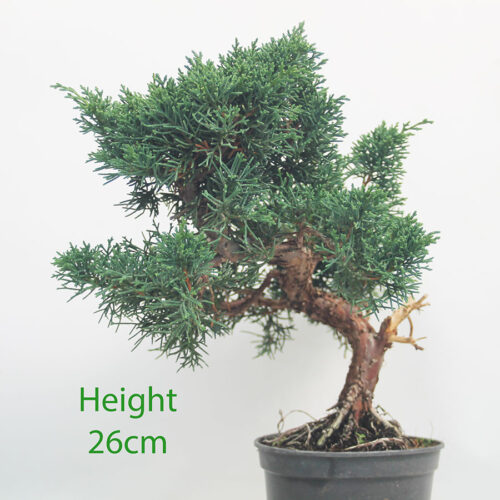
Chinese Juniper Bonsai Trees
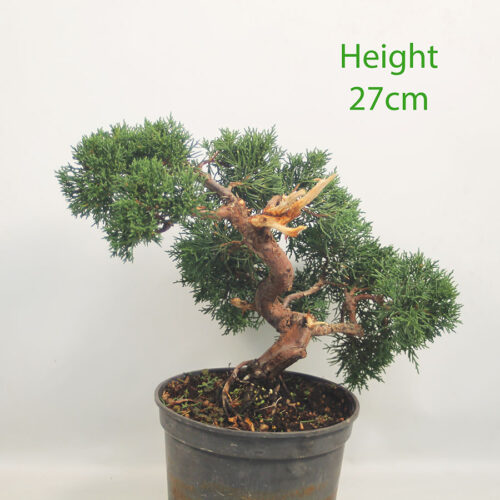
Chinese Juniper Bonsai Trees

Chinese Juniper Bonsai Trees

Chinese Juniper Bonsai Trees
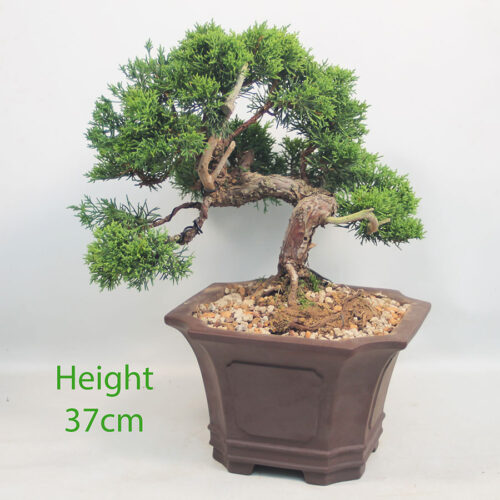
Chinese Juniper Bonsai Trees

Chinese Juniper Bonsai Trees

Chinese Juniper Bonsai Trees

Chinese Juniper Bonsai Trees

Chinese Juniper Bonsai Trees
Itoigawa Chinese Juniper Bonsai Tree Part Trained Number 25P

Chinese Juniper Bonsai Trees
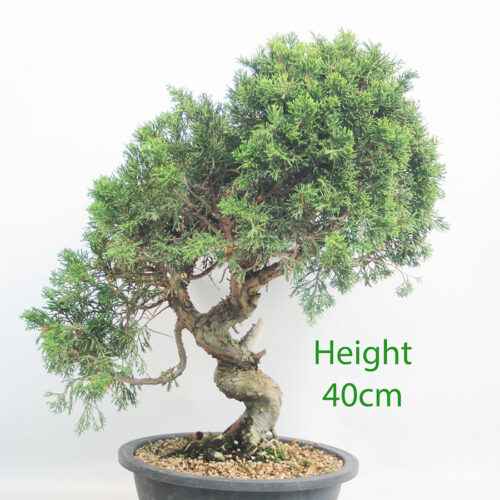
Chinese Juniper Bonsai Trees
Itoigawa Chinese Juniper Bonsai Tree Part Trained Number 70P
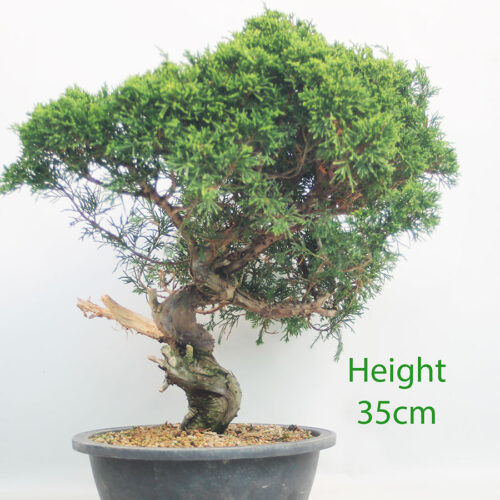
Chinese Juniper Bonsai Trees
Itoigawa Chinese Juniper Bonsai Tree Part Trained Number 82P
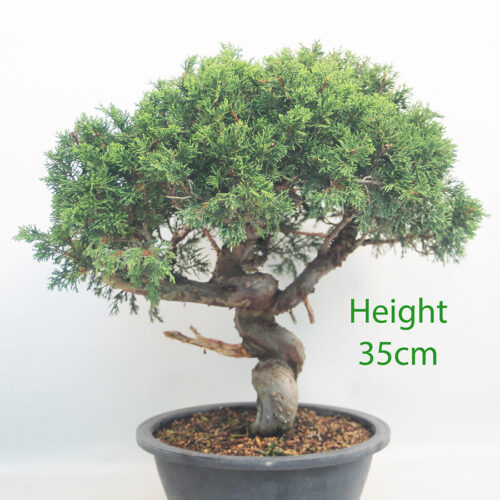
Chinese Juniper Bonsai Trees
Itoigawa Chinese Juniper Bonsai Tree Part Trained Number 138P
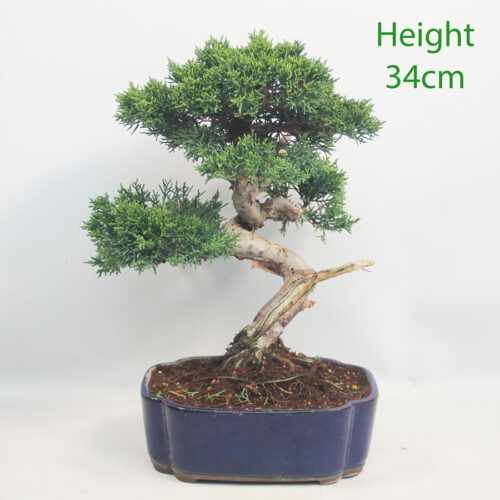
Chinese Juniper Bonsai Trees
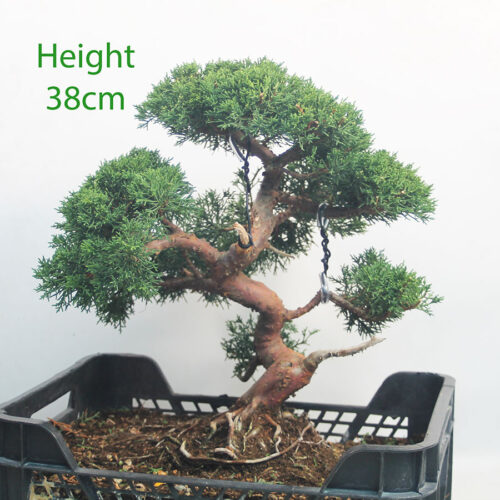
Chinese Juniper Bonsai Trees
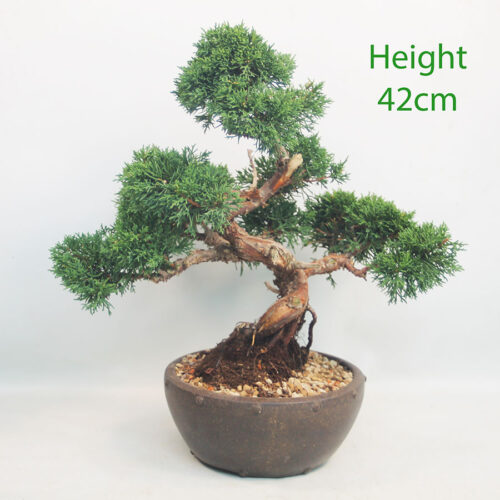
Chinese Juniper Bonsai Trees
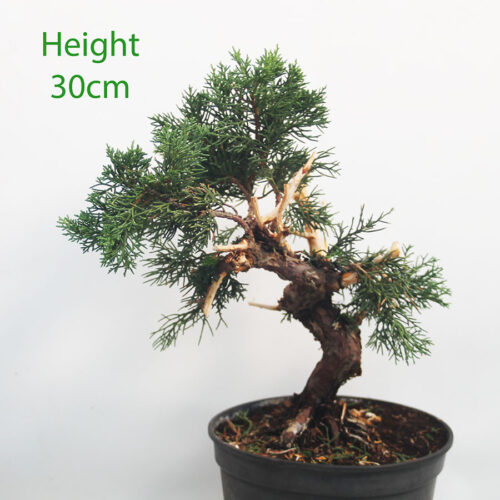
Chinese Juniper Bonsai Trees
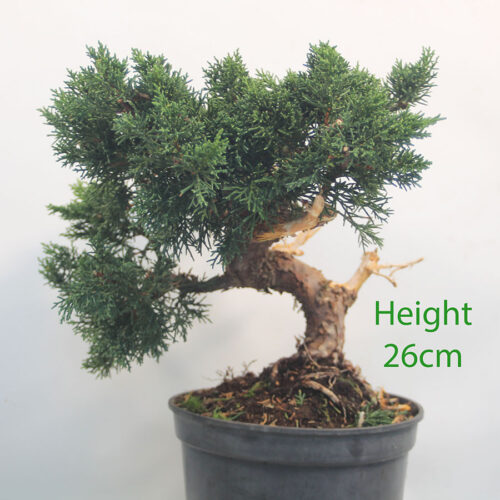
Chinese Juniper Bonsai Trees
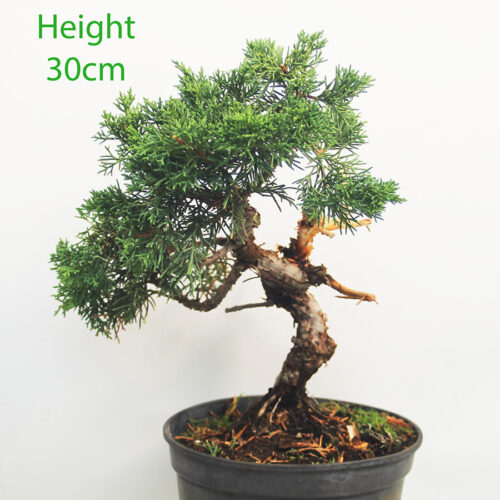
Chinese Juniper Bonsai Trees
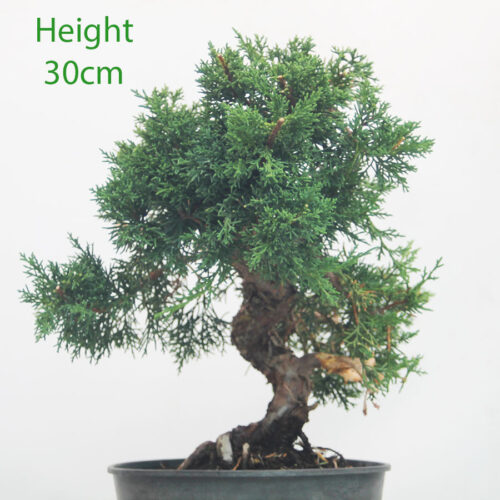
Chinese Juniper Bonsai Trees

Chinese Juniper Bonsai Trees
Itoigawa Chinese Juniper Bonsai Tree Part Trained Number 32P

Chinese Juniper Bonsai Trees
Itoigawa Chinese Juniper Bonsai Tree Part Trained Number 129P

Chinese Juniper Bonsai Trees

Chinese Juniper Bonsai Trees

Chinese Juniper Bonsai Trees
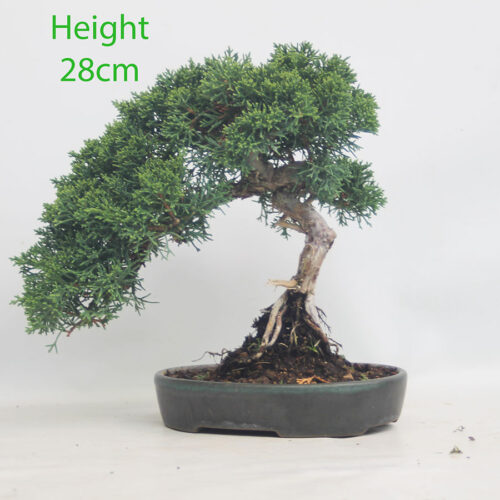
Chinese Juniper Bonsai Trees

Chinese Juniper Bonsai Trees

Chinese Juniper Bonsai Trees
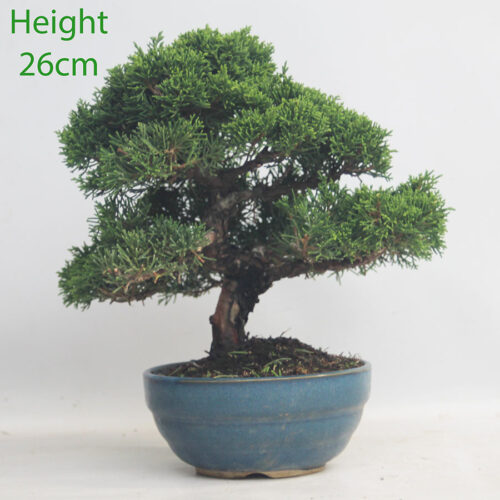
Chinese Juniper Bonsai Trees

Chinese Juniper Bonsai Trees
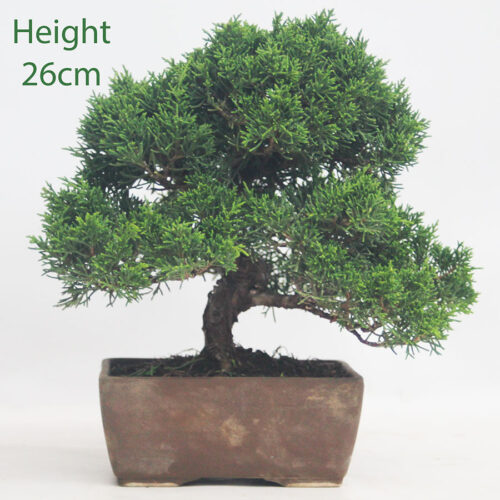
Chinese Juniper Bonsai Trees
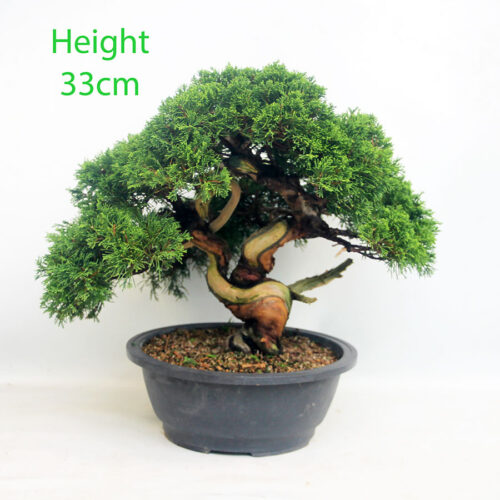
Chinese Juniper Bonsai Trees
Itoigawa Chinese Juniper Bonsai Tree Part Trained Number 62P
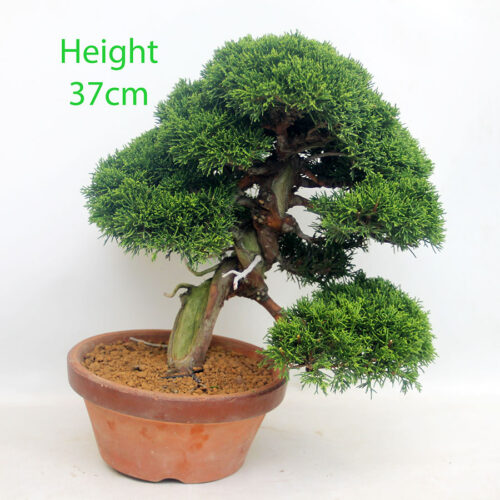
Chinese Juniper Bonsai Trees
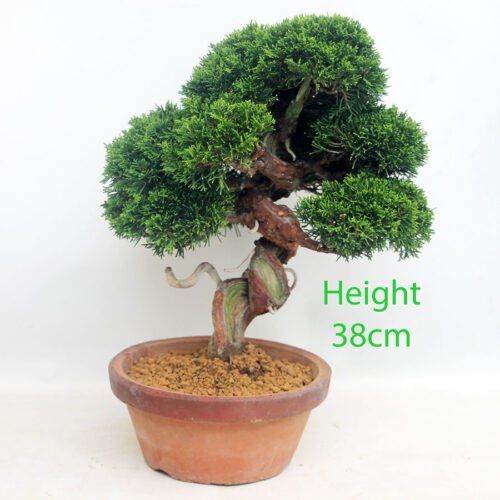
Chinese Juniper Bonsai Trees
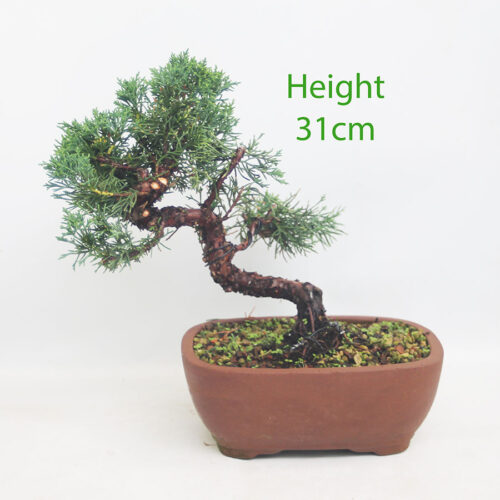
Chinese Juniper Bonsai Trees
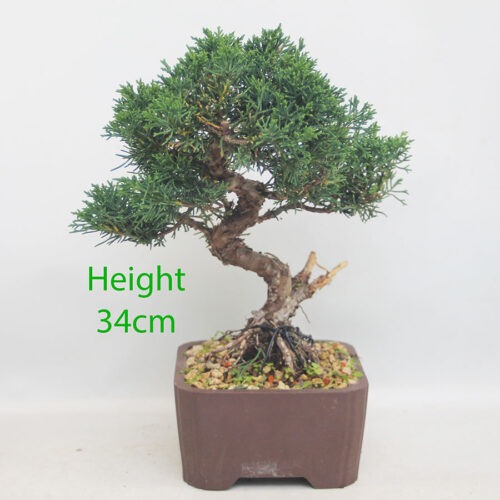
Chinese Juniper Bonsai Trees
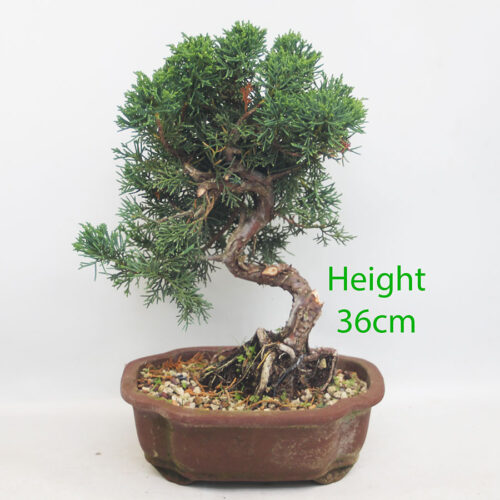
Chinese Juniper Bonsai Trees

Chinese Juniper Bonsai Trees
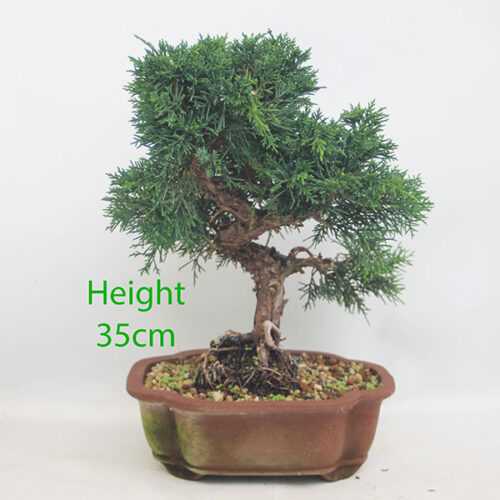
Chinese Juniper Bonsai Trees

Chinese Juniper Bonsai Trees

Chinese Juniper Bonsai Trees

Chinese Juniper Bonsai Trees

Chinese Juniper Bonsai Trees

Chinese Juniper Bonsai Trees

Chinese Juniper Bonsai Trees

Chinese Juniper Bonsai Trees

Chinese Juniper Bonsai Trees

Chinese Juniper Bonsai Trees
Itoigawa Chinese Juniper Bonsai Tree Part Trained Number 348P

Chinese Juniper Bonsai Trees
Itoigawa Chinese Juniper Bonsai Tree Part Trained Number 131P

Chinese Juniper Bonsai Trees

Chinese Juniper Bonsai Trees
Itoigawa Chinese Juniper Bonsai Tree Part Trained Number 225P

Chinese Juniper Bonsai Trees

Chinese Juniper Bonsai Trees

Chinese Juniper Bonsai Trees

Chinese Juniper Bonsai Trees